
Q&A WITH DONIELLE COUTURE
Navigating the college admissions process has become increasingly complex, with shifting testing policies, record-breaking application volumes, and mounting pressure on students and families.
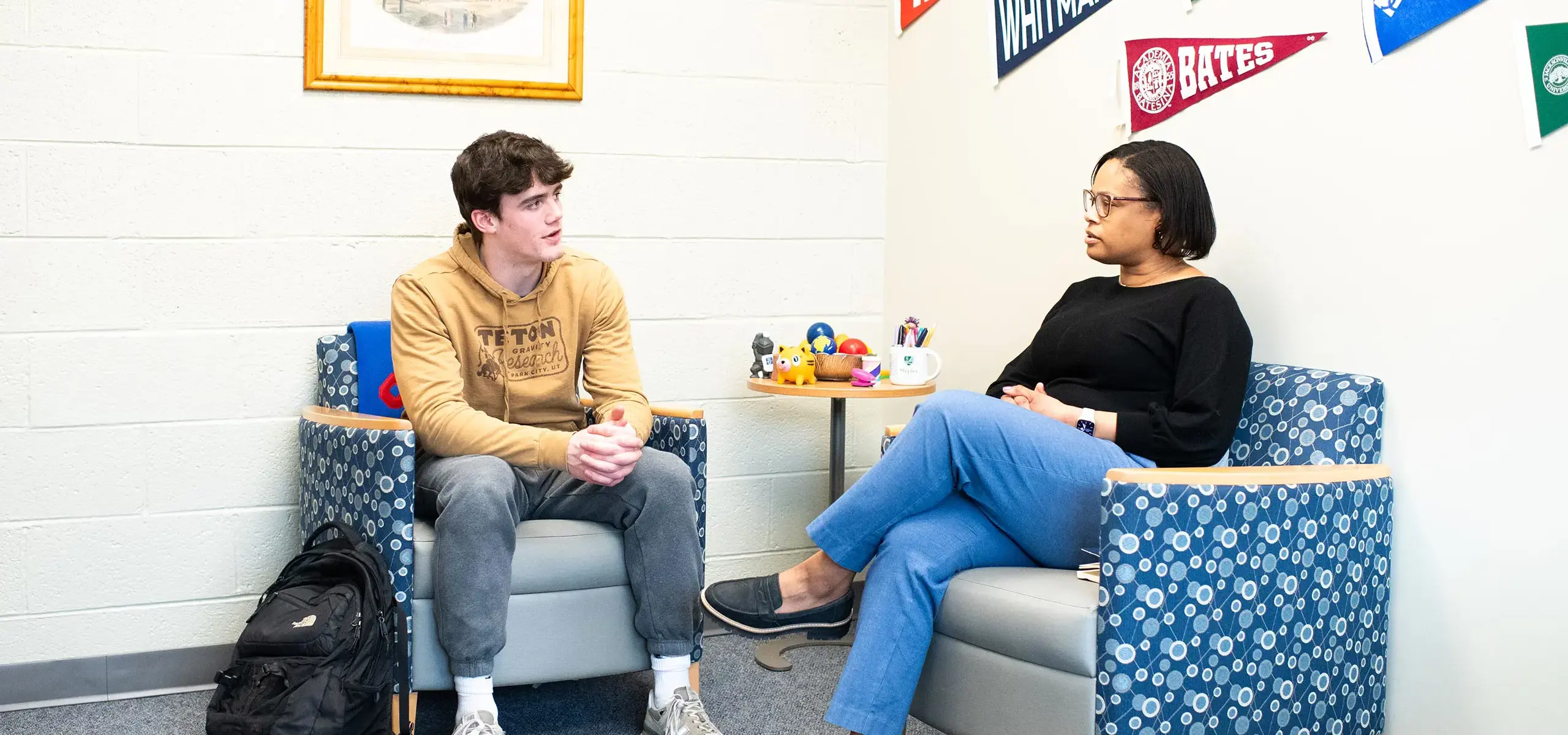
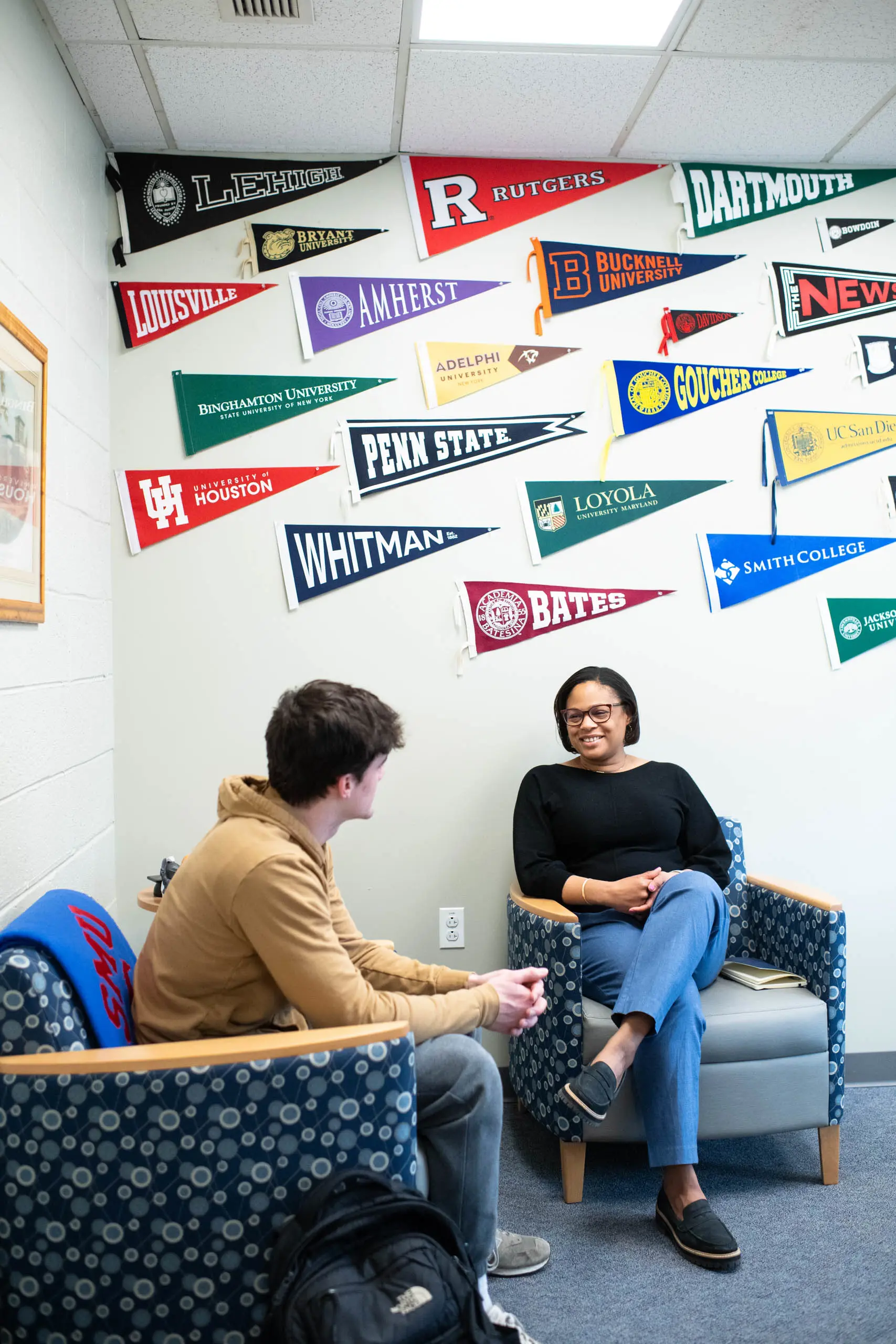
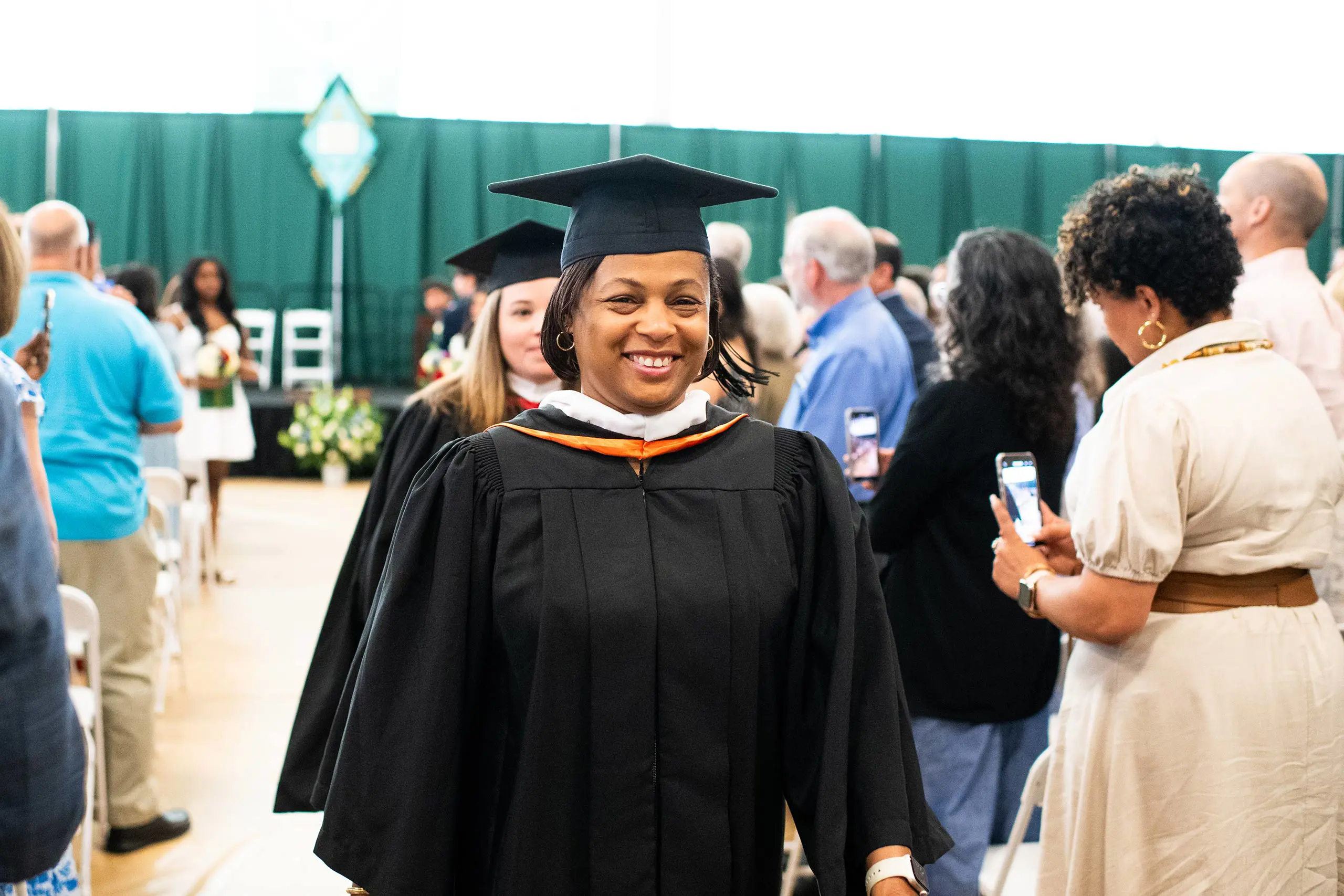
Q&A With Director of College Counseling, Donielle Couture
At The Shipley School, the college counseling team takes a distinctly personal approach—one that begins long before students fill out their first application and is grounded in truly knowing each student as an individual.
In this Q&A, Donielle Couture, Director of College Counseling at Shipley, shares how her team helps students cut through the noise, discover what makes them unique, and find colleges that fit them academically, socially, and personally. From early outreach in 9th-grade SEED classes to specialized support for artists, athletes, and students pursuing nontraditional paths, Couture offers a look at how Shipley's counseling philosophy reflects the school's broader commitment to seeing—and supporting—every student.
| 1. How does Shipley’s college counseling program differentiate itself in preparing students for the admissions process, and how does it reflect the school’s overall philosophy of education? |
Shipley excels at treating each student as an individual, helping them identify and embrace what makes them unique. Our college counseling program mirrors this philosophy by making a concerted effort to truly know each student. We pride ourselves on building strong relationships—whether it’s recognizing when a student is having a bad day, knowing their favorite candy, or remembering the names of their pets. These personal connections allow us to support students through what can be a stressful process while also helping them recognize and articulate their strengths. A college counselor-to-student ratio certainly helps with this personalized approach. Many students struggle to identify what sets them apart in a sea of college applicants. Our role is to help them uncover and highlight those qualities, ensuring they feel confident presenting themselves to colleges in an authentic and compelling way. |
| 2. What trends or shifts in the college admissions landscape are most impacting students today, and how is Shipley adapting its counseling strategies to support them? |
Several key trends are currently shaping the college admissions landscape. Here are two significant ones: Increased Number of Applications – Colleges are receiving more applications than ever, making admission more competitive and creating additional pressure for both students and admissions officers. To navigate this, we encourage students to be thoughtful and strategic about their college lists. While we have recommended that students submit a slightly higher number of applications, we emphasize quality over quantity. A scattershot approach does not increase chances of admission—careful research and targeted applications do. Changes in Standardized Testing Policies – The pandemic accelerated the shift toward test-optional admissions, which, in turn, led to increased application numbers. Some colleges have since reinstated testing requirements, while others remain test-optional or test-free. As colleges continue to refine their policies, we ensure that our students remain adaptable, prepared, and positioned for success across a variety of admissions scenarios. |
| 3. How do you help students and families navigate the increasing stress and pressure surrounding college admissions while keeping well-being at the forefront? |
Our college counseling program begins early, with a visit to 9th-grade SEED classes. The goal is to introduce students to the college counseling office and help them understand what they do—and don’t—need to worry about at this stage. We want students to focus on the bigger picture: who they want to become and how they can get there, rather than feeling pressured to map out their entire future. By 10th grade, students are assigned a dedicated college counselor, ensuring they have a consistent point person throughout the process. While all three counselors work closely with every student, having a primary advisor helps build trust and familiarity. During the second half of 11th grade, we run weekly College Counseling Seminars, where students receive hands-on guidance in completing key components of the process. In these sessions, students: work on the Common Application, learn how to research colleges effectively, draft and refine their college essays, complete the Self-Reported Academic Record (SRAR), and identify teachers for letters of recommendation. These classes continue into senior year, ensuring that students receive ongoing support. Small class sizes of 15 or fewer allow us to check in regularly and adjust our approach based on students’ needs. Beyond structured meetings, we recognize that stress can come from an overwhelming flood of information and opinions. We help students and families cut through the noise, offering clear, personalized guidance that allows them to make informed decisions with confidence. We also work closely with parents—whether that means explaining processes to ease their concerns or helping them support their child’s independence in this journey. |
| 4. In what ways does Shipley’s college counseling team ensure that students find the best fit—academically, socially, and personally? |
We start getting to know students long before they officially enter the college counseling process. Whether we see them performing on the field or stage, chatting in the lunchroom, or simply stopping by for candy in our office, these informal interactions help us build a deep understanding of each student’s strengths, passions, and personality. By the time they begin formal college counseling meetings, we are well-equipped to guide them toward schools that truly fit them—not just academically, but socially and personally. We also actively advocate for our students when speaking with college admissions representatives. Shipley students have incredible stories to tell, and we take every opportunity to highlight their achievements, strengths, and the richness of their experiences. One common misconception we work to dispel is the idea that students should only apply to colleges where other Shipley students have previously been accepted. While we have strong relationships with many colleges, we also welcome the opportunity to introduce Shipley students to new institutions. If a student is interested in a school where we haven’t had recent applicants, we are more than happy to reach out and share what makes our students exceptional. Additionally, our combined 40+ years of admissions and counseling experience provide us with a vast professional network. This allows us to guide students toward opportunities that align with their unique interests, even if they fall outside the traditional college path. |
| 5. How does Shipley’s college counseling program support students with unique interests or aspirations, such as those pursuing arts, athletics, or nontraditional pathways? |
| Shipley’s college counselors have extensive experience working with students who pursue a wide range of postsecondary options, from Division I athletics to conservatory programs, gap years, and specialized career paths. For students pursuing the arts, we collaborate closely with faculty in music, theater, and visual arts to support portfolio development, audition preparation, and application requirements for creative programs. For student-athletes, we work with the Athletics Department to help navigate the recruitment process, ensuring they understand NCAA eligibility requirements, communicate effectively with coaches, and make informed decisions about athletic programs. By partnering with faculty and leveraging our collective expertise, we ensure that all students—regardless of their aspirations—receive the support they need to take the next step toward their goals with confidence. |
THERE'S MORE TO DISCOVER. |
| Your Shipley journey starts with a conversation. Learn about what makes us more than a school. |